“Language is the foundation for thinking, learning, and literacy”
- Dr. Laura Ann Petitto
Learn
-
A child with a speech sound disorder has ongoing difficulty saying certain sounds clearly or is sometimes hard to understand. This can happen for many reasons. For example, a child might have trouble coordinating the movements of their mouth, tongue, and lips, or understanding how sounds fit together in words.
Some sound errors are part of typical speech development and resolve on their own. However, when these challenges last longer than expected for a child’s age, speech therapy can help build clarity, confidence, and communication success.
For more information, click here.
-
Your child leaves out sounds in words (e.g., saying ca for cat).
They substitute one sound for another (e.g., saying wabbit for rabbit).
They add or change sounds in ways that make speech unclear.
It’s hard for others to understand what your child is saying, especially people who don’t know them well.
-
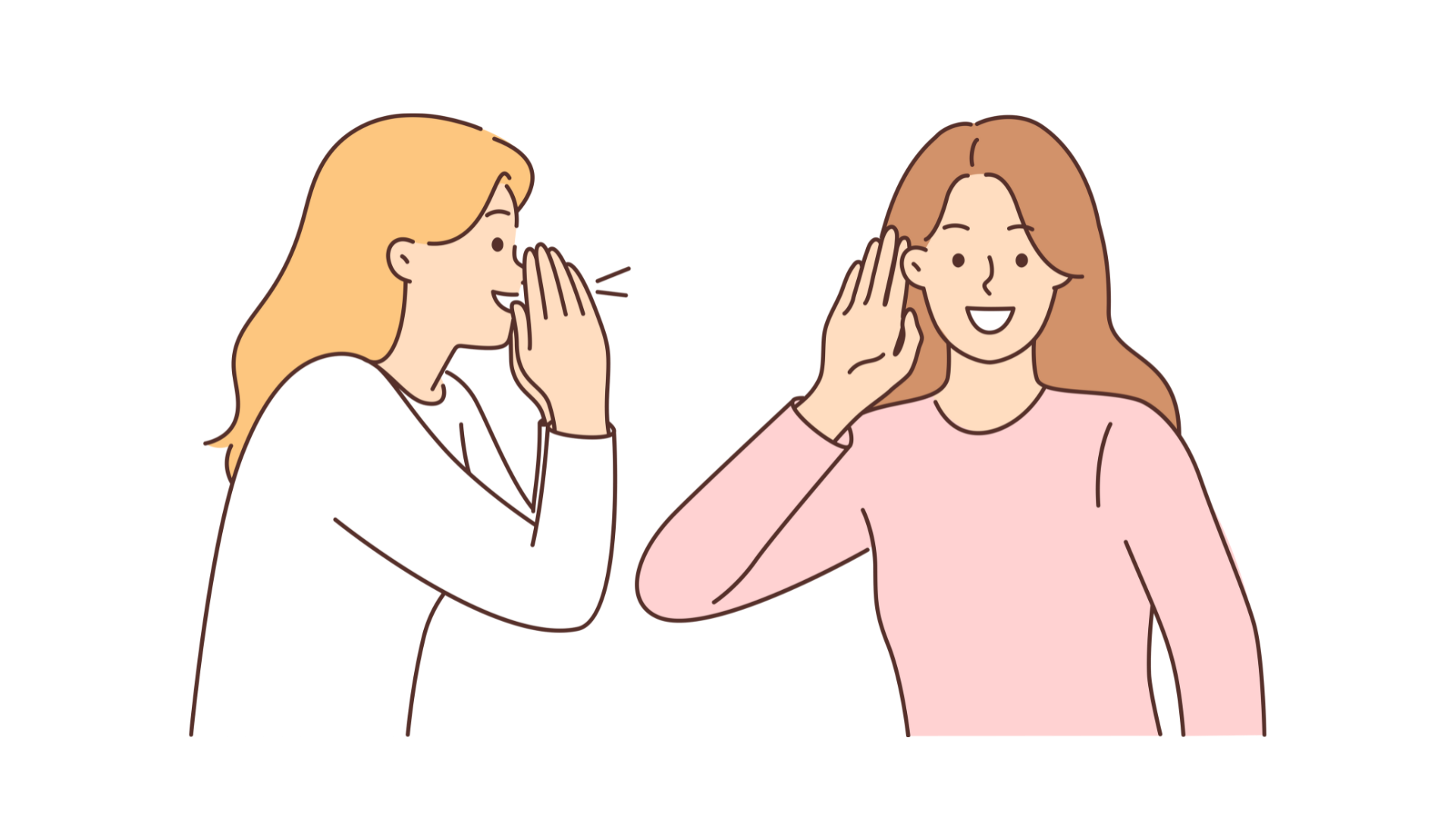
A language disorder occurs when a child has difficulty understanding what others say, expressing their thoughts, or using language to communicate effectively. This can impact how they follow directions, learn new words, put sentences together, or share ideas in conversation or writing.
With support from a speech-language pathologist, children can strengthen their understanding, vocabulary, and confidence in using language across home, school, and social settings.
For more information, click here.

-
Your child has trouble understanding what others say or following directions.
They have a limited vocabulary for their age or take longer to learn new words.
They struggle to form sentences or put words in the right order.
They leave out small words (like is, a, the) or parts of words (like dog for dogs) or use shorter, simpler sentences than peers.
They have difficulty telling stories, explaining events, or expressing ideas clearly.
Teachers or caregivers note that your child’s language skills hinder learning or social interaction
-
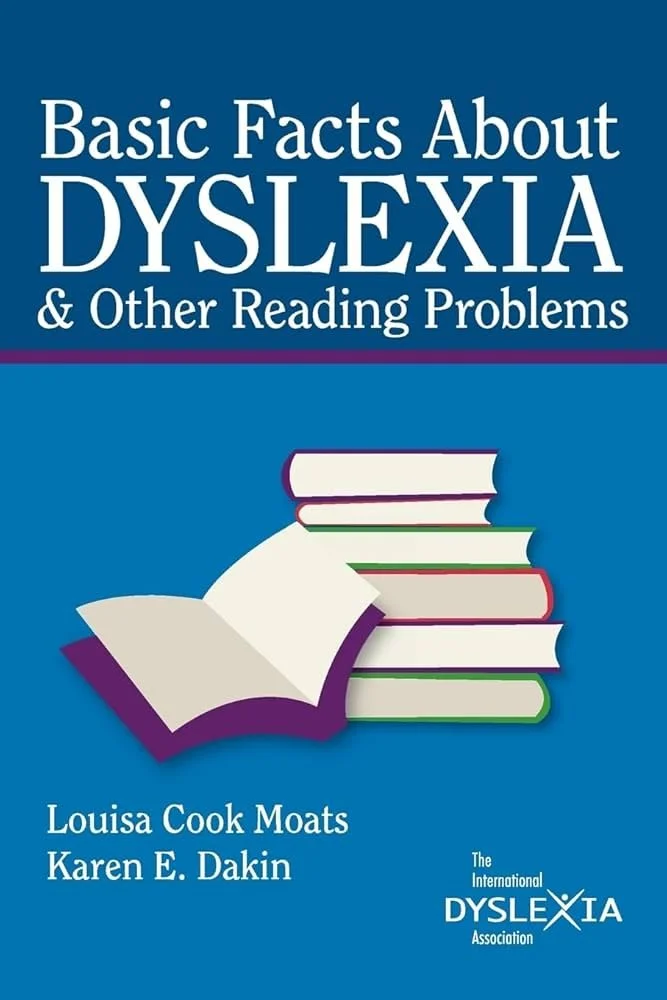
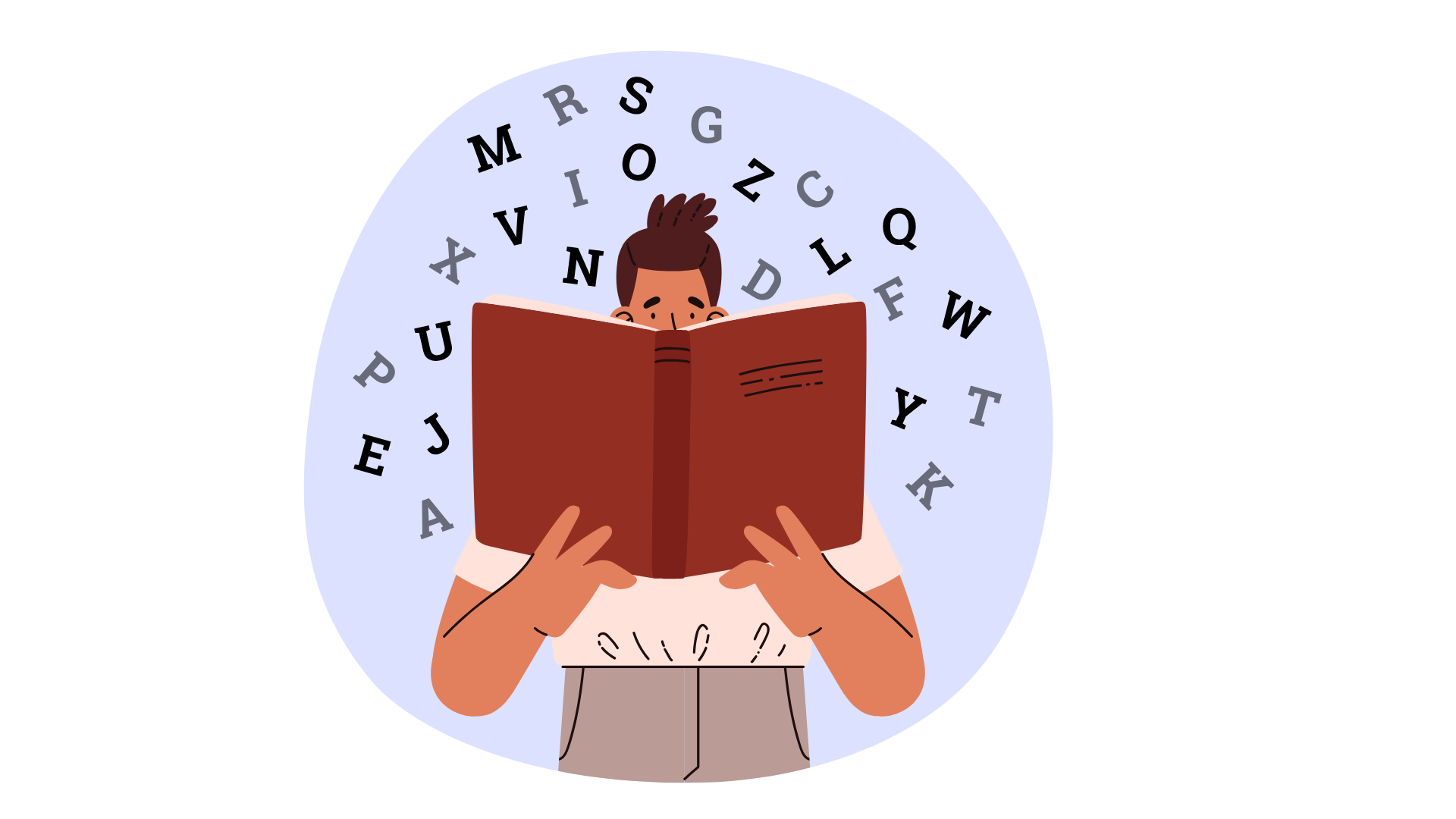
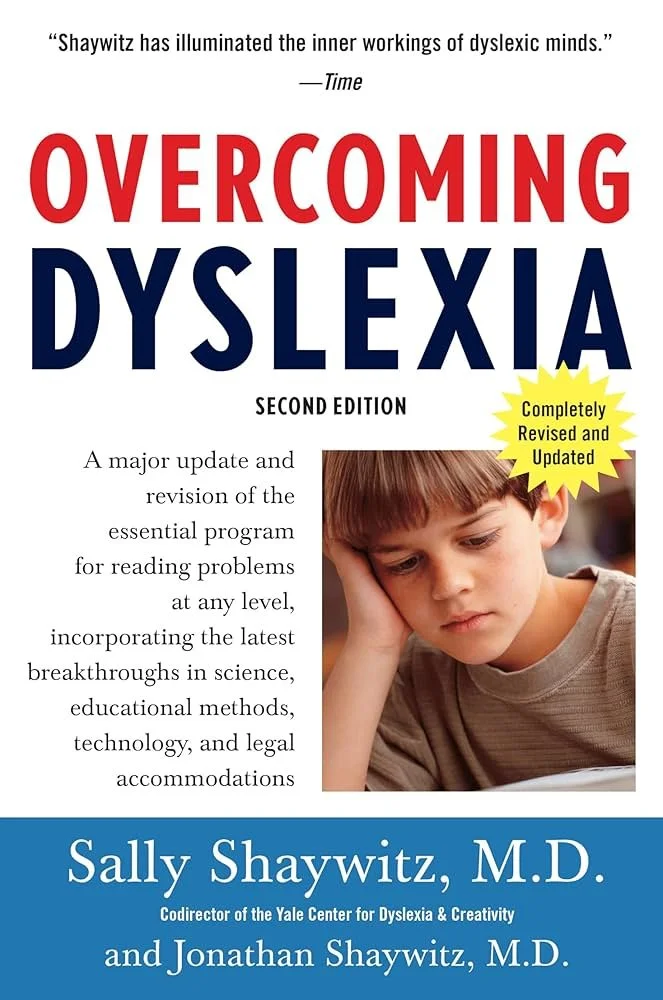
Dyslexia is a language-based learning disability that affects how the brain processes written and spoken language. Children with dyslexia may have difficulty connecting letters to sounds, decoding words, and spelling, which can make reading and writing more challenging.
Because dyslexia stems from differences in how the brain handles the sounds and structure of language, many children with dyslexia also experience broader language difficulties.
With evidence-based intervention focused on language and literacy, children with dyslexia can develop the tools they need to read with accuracy, confidence, and enjoyment.
For more information, click here.

-
Because dyslexia is a language-based learning disability, speech-language pathologists (SLPs) play an essential role in both identifying and supporting children with reading and writing challenges. SLPs are trained in how children understand and use language, which is the foundation for learning to read.
An SLP who specializes in literacy can look beyond surface reading errors to uncover the why behind a child’s struggles, assessing skills like sound awareness, vocabulary, sentence structure, and how spoken and written language connect. By targeting these underlying areas, therapy helps children strengthen their reading accuracy, fluency, and confidence.
For more information, click here.
Read